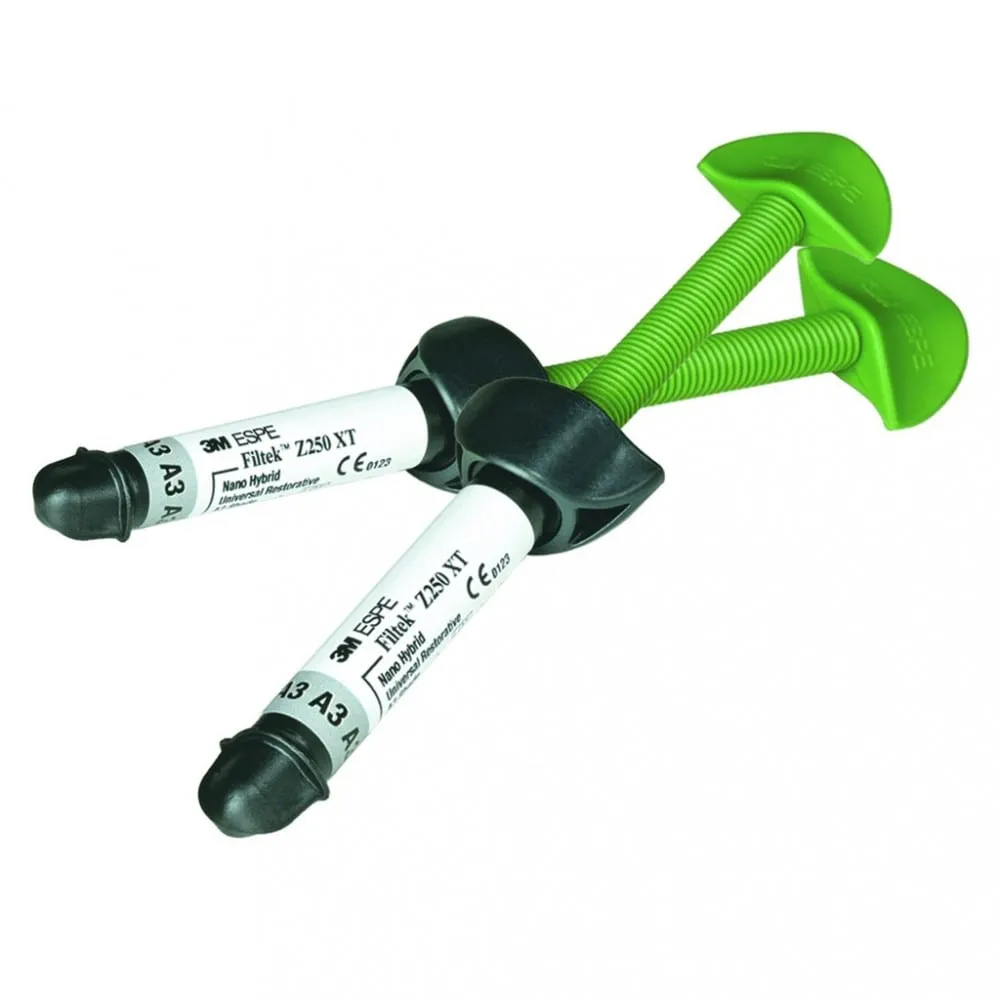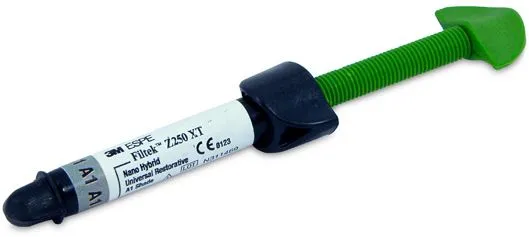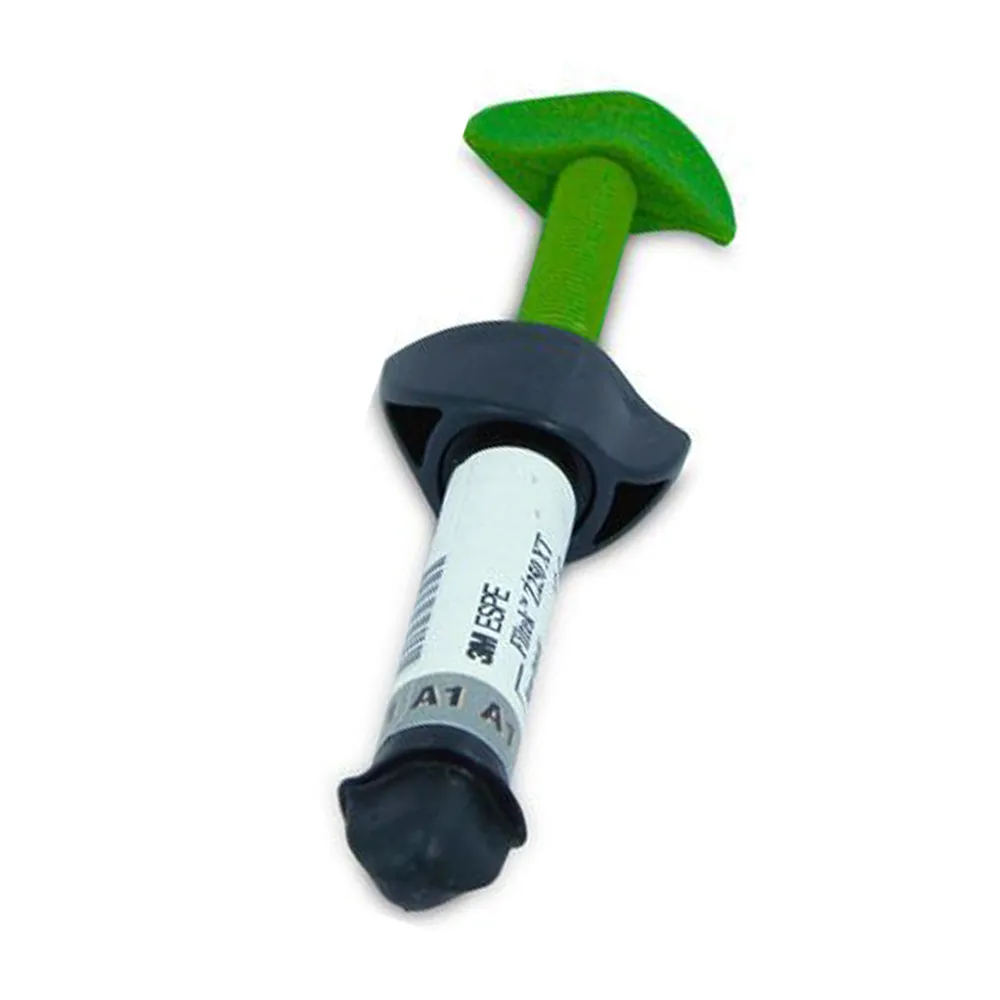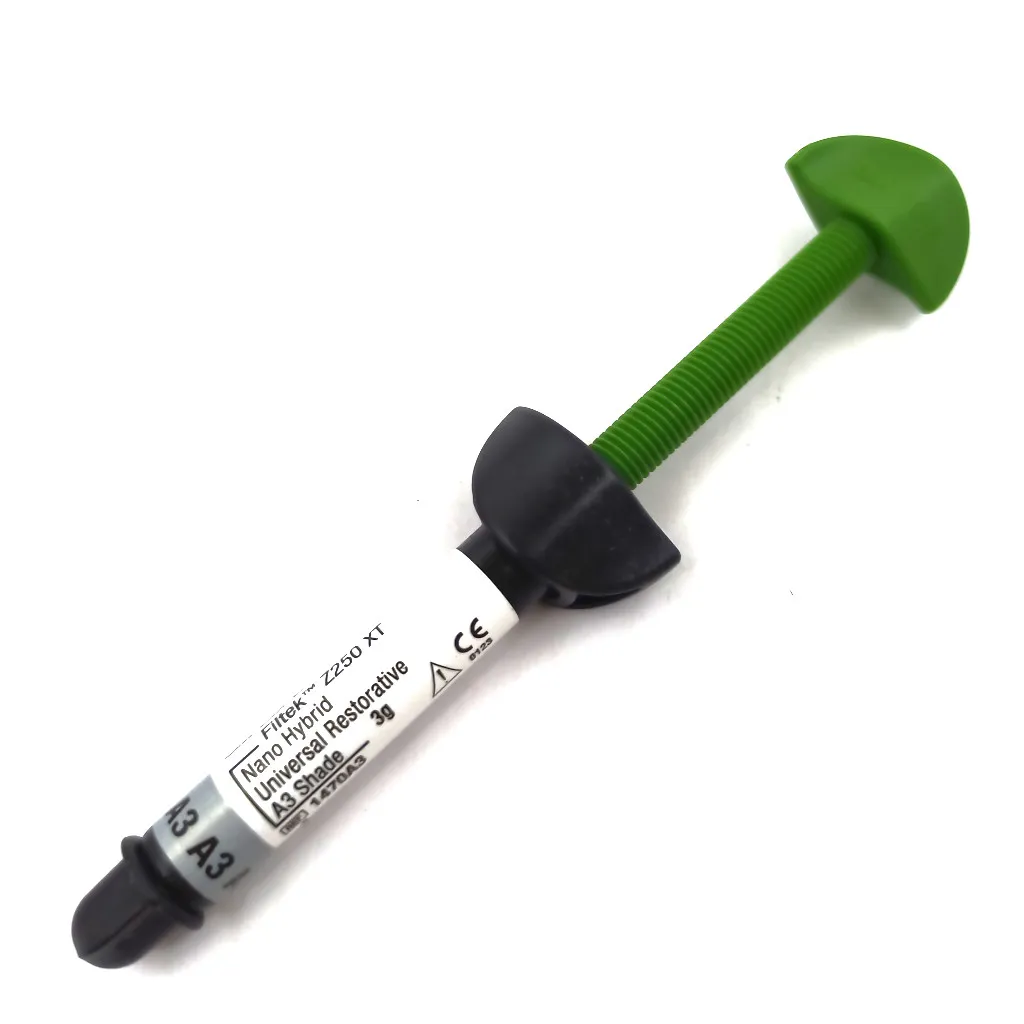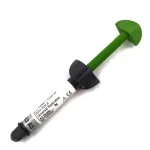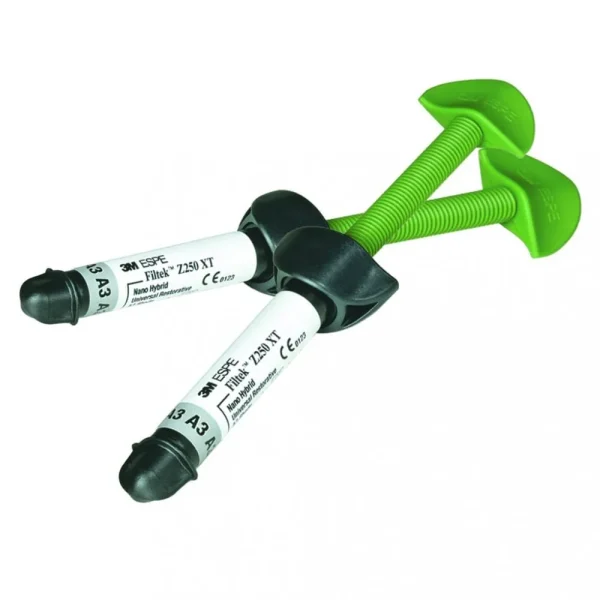
3M Espe Filtek Z250 Xt Restorative Syringe
Radiopaque, visible-light cured universal restorative composite for durable dental restorations
₹2,010.00 Original price was: ₹2,010.00.₹1,300.00Current price is: ₹1,300.00.
Fast Shipping
Carrier information
24/7 Support
Unlimited help desk
2-day Delivery
Track or off orders
Description :
The 3M ESPE Filtek Z250 XT Nano Hybrid Restorative Syringe offers an innovative solution for dental practices seeking reliable and versatile restorative material. Leveraging advanced nanofiller technology, this product combines ease of use with superior aesthetics and durability.
With its nanohybrid composition, Filtek Z250 XT addresses the challenges historically associated with traditional hybrids by incorporating nanoparticles that enhance physical properties such as strength, wear resistance, and polish retention. This formulation bridges the gap between large-particle hybrids and true nanocomposites, providing wear resistance similar to microfills while outperforming other hybrids in its class.
| Shades |
A1 ,A2 ,A3 ,A3.5 ,B1 ,B2 |
|---|
1 x 3gm Syringe
Preparation:
-
- Clean teeth with pumice and water.
- Select the appropriate shade by evaluating the tooth's gingival, body, and incisal areas.
- Use a mock-up to test the shade match.
Isolation:
-
-
- Use a rubber dam or cotton rolls with an evacuator for isolation.
-
Direct Restorations:
-
-
-
- Cavity Preparation:
- Clean and round cavity; remove residual materials.
- Pulp Protection:
- Apply calcium hydroxide and a light-cure glass ionomer liner if needed.
- Matrix Placement:
- Use Mylar strips or matrix bands for anterior and posterior restorations.
- Adhesive System:
- Follow instructions for etching, priming, and adhesive application.
- Cavity Preparation:
-
-
- Dispensing:
- For syringes: Turn the handle clockwise to dispense, then counterclockwise to stop flow and cap the syringe.
- Placement:
- Apply composite in increments, overfill slightly, and contour with composite instruments.
- Curing:
- Cure each increment with a high-intensity light (400 mW/cm²). Follow recommended exposure times based on shade.
- Finishing:
- Contour with fine diamonds or burs. Use finishing strips for proximal surfaces.
- Adjust Occlusion:
- Check and adjust occlusion with articulating paper and fine diamonds.
- Polishing:
- Polish with the Sof-Lex Finishing and Polishing System.
Indirect Procedure:
- Dental Operatory:
- Shade Selection: Choose the shade before isolation.
- Preparation and Impressioning: Prepare tooth and take an impression.
Laboratory Procedure:
-
-
- Casting and Trimming:
- Prepare and trim the cast, apply separating medium.
- Composite Application:
- Place die back into the articulated arch; add and slightly overfill with incisal composite.
- Light cure for 10 seconds, then remove die to avoid sticking. Finish curing.
- Remove excess composite, develop inclines and ridges.
- Carefully remove the prosthesis from the die; ensure clean separation from the cured restoration.
- Check restoration on the master die for fit, flash, and undercuts. Adjust and polish as needed.
- Casting and Trimming:
-
Dental Operatory Procedure:
-
- Roughen the interior surfaces of the indirect restoration.
- Clean the prosthesis in a soap solution using an ultrasonic bath and rinse thoroughly.
- Cement the prosthesis using a 3M ESPE resin cement system, following the manufacturer’s instructions
| Shades |
A1 ,A2 ,A3 ,A3.5 ,B1 ,B2 |
|---|
1 x 3gm Syringe
Preparation:
-
- Clean teeth with pumice and water.
- Select the appropriate shade by evaluating the tooth's gingival, body, and incisal areas.
- Use a mock-up to test the shade match.
Isolation:
-
-
- Use a rubber dam or cotton rolls with an evacuator for isolation.
-
Direct Restorations:
-
-
-
- Cavity Preparation:
- Clean and round cavity; remove residual materials.
- Pulp Protection:
- Apply calcium hydroxide and a light-cure glass ionomer liner if needed.
- Matrix Placement:
- Use Mylar strips or matrix bands for anterior and posterior restorations.
- Adhesive System:
- Follow instructions for etching, priming, and adhesive application.
- Cavity Preparation:
-
-
- Dispensing:
- For syringes: Turn the handle clockwise to dispense, then counterclockwise to stop flow and cap the syringe.
- Placement:
- Apply composite in increments, overfill slightly, and contour with composite instruments.
- Curing:
- Cure each increment with a high-intensity light (400 mW/cm²). Follow recommended exposure times based on shade.
- Finishing:
- Contour with fine diamonds or burs. Use finishing strips for proximal surfaces.
- Adjust Occlusion:
- Check and adjust occlusion with articulating paper and fine diamonds.
- Polishing:
- Polish with the Sof-Lex Finishing and Polishing System.
Indirect Procedure:
- Dental Operatory:
- Shade Selection: Choose the shade before isolation.
- Preparation and Impressioning: Prepare tooth and take an impression.
Laboratory Procedure:
-
-
- Casting and Trimming:
- Prepare and trim the cast, apply separating medium.
- Composite Application:
- Place die back into the articulated arch; add and slightly overfill with incisal composite.
- Light cure for 10 seconds, then remove die to avoid sticking. Finish curing.
- Remove excess composite, develop inclines and ridges.
- Carefully remove the prosthesis from the die; ensure clean separation from the cured restoration.
- Check restoration on the master die for fit, flash, and undercuts. Adjust and polish as needed.
- Casting and Trimming:
-
Dental Operatory Procedure:
-
- Roughen the interior surfaces of the indirect restoration.
- Clean the prosthesis in a soap solution using an ultrasonic bath and rinse thoroughly.
- Cement the prosthesis using a 3M ESPE resin cement system, following the manufacturer’s instructions
Recently Viewed Products:
Related Products :
In stock
In stock
In stock
In stock
In stock
In stock